Terra Incognita: Heirloom Olive Groves of the Tuscan Foothills
Published September 28, 2024 • 7 min read • Words by Sora Takahashi
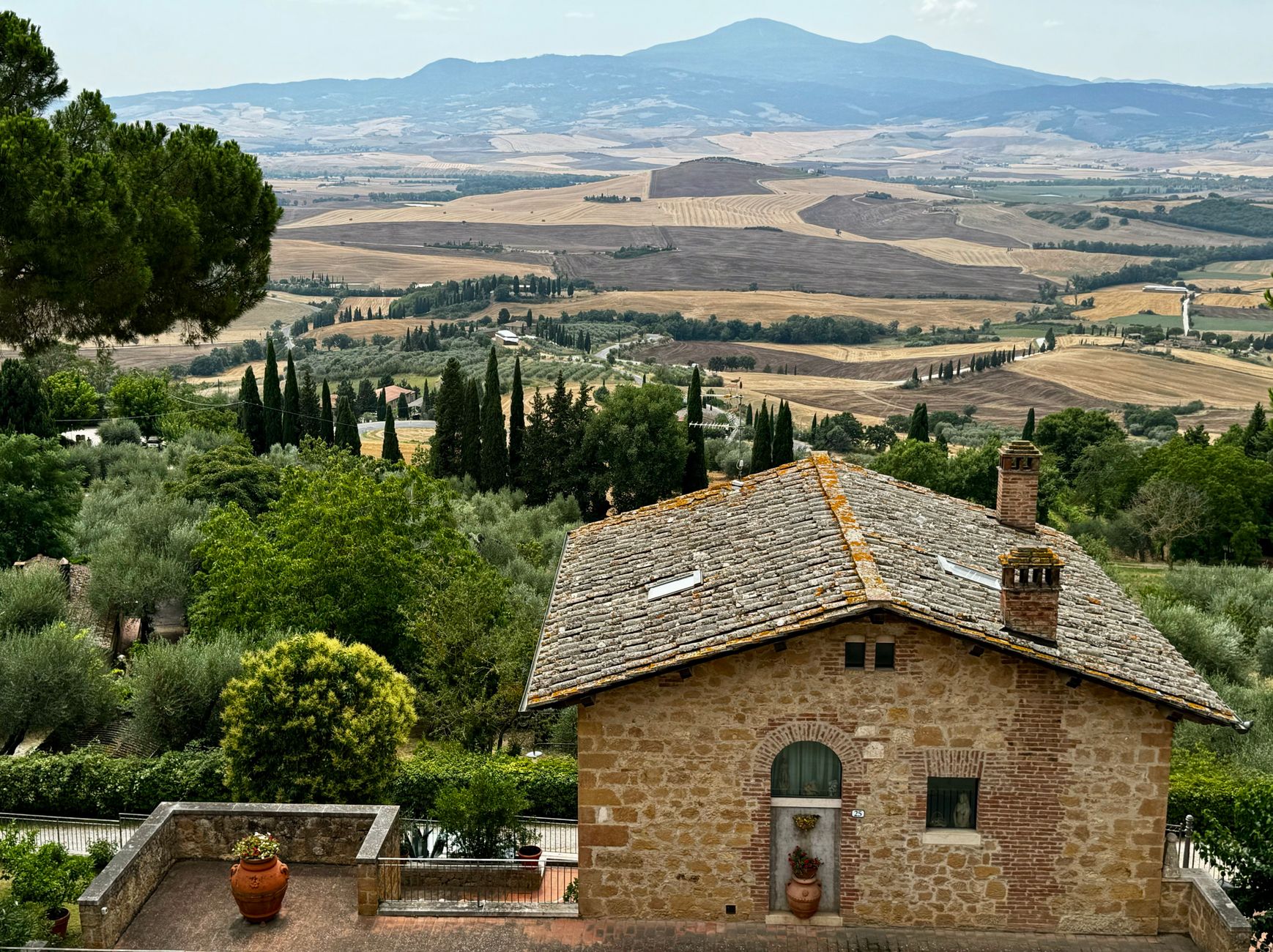
Before dawn in the hills surrounding Montalcino, dew sits heavily upon limestone terraces. The Frantoio and Moraiolo trees—gnarled, silver-leafed witnesses to three centuries of familial labor—stand waiting for hand nets.
1. The Mist of Val d'Orcia
Industrial agriculture prizes uniform yield and mechanized shakers. Yet along these limestone contours, slopes are far too steep for tractors. Harvest here remains an intimate physical rhythm: ladders hewn from chestnut timber, woven baskets balanced against hips, and calloused fingers gently stripping the bitter fruit into emerald mounds.
2. Nets, Ladders, and Soil
To walk the grove with elder growers is to receive an education in microclimates. One row thrives because the dry tramontana wind prevents mold; another absorbs morning solar heat radiating from dry-stone retaining walls. There is no haste. Every basket represents a dialogue between seasonal rainfall and patient cultivation.
“Real extra virgin oil is not a condiment. It is fresh fruit juice pressed from stone, alive with peppery polyphenols and ancestral earth.”
3. Pressing the Green Gold
By late afternoon, the harvest travels directly to the cooperative mill. Cold granite wheels crush the olives without heat; within hours, opaque, fluorescent green oil streams into stainless vats. The aroma in the press room is dizzying—reminiscent of freshly cut artichokes, wild chicory, and green almond skins.
4. The Shared Board
Night concludes around an untreated oak table. Slices of saltless Tuscan bread toasted over embers, rubbed with garlic cloves, and generously bathed in oil still warm from the separator. Accompanied by sheep's milk pecorino and austere Sangiovese, this meal redefines modern wealth through sovereign simplicity.